Amazon Influencer Onsite vs Offsite: Which Pays Off?
Should you put your time into onsite videos on Amazon, or build an audience on social media? Many Amazon influencers feel they have to choose. From the seller side, my answer is simple: do both if you can. Here is why sellers value influencers who are active beyond Amazon, and why it is also safer for your income.
Onsite and offsite, in plain terms
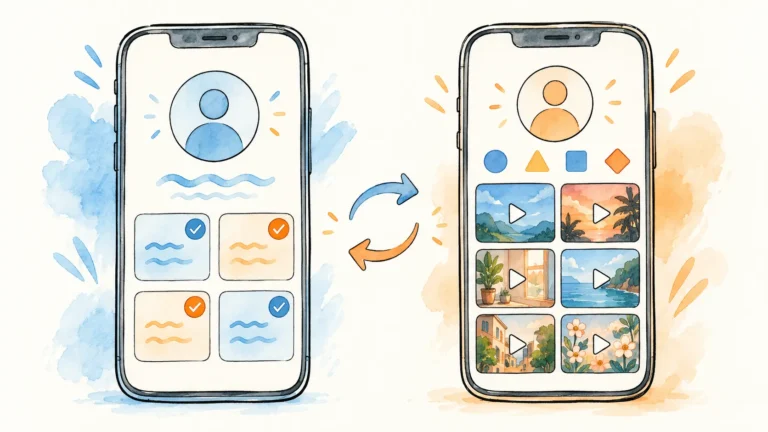
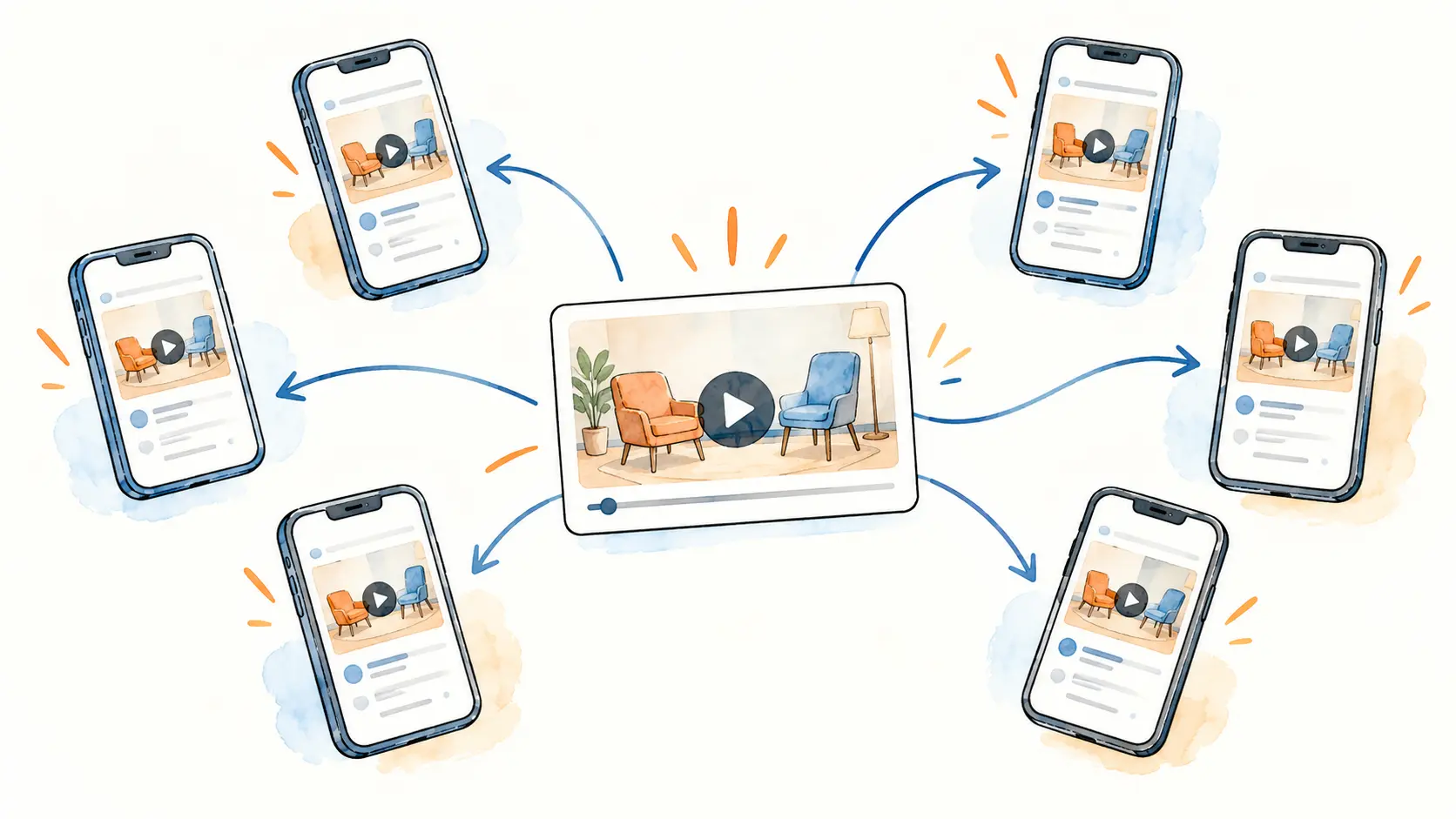
Onsite means the videos you upload to Amazon. They appear on your storefront and can show up on product pages, where shoppers watch them while deciding what to buy.
Offsite means content you post on platforms like YouTube, Instagram and TikTok, where you send your own audience to Amazon through your links.
Onsite can earn without an audience of your own, but you depend on Amazon choosing to show your video. Offsite takes longer to build, but the audience is yours.
Why sellers prefer influencers with an audience elsewhere
When I review influencer messages, a strong presence on other platforms is one of the first things I look for. There are three reasons.
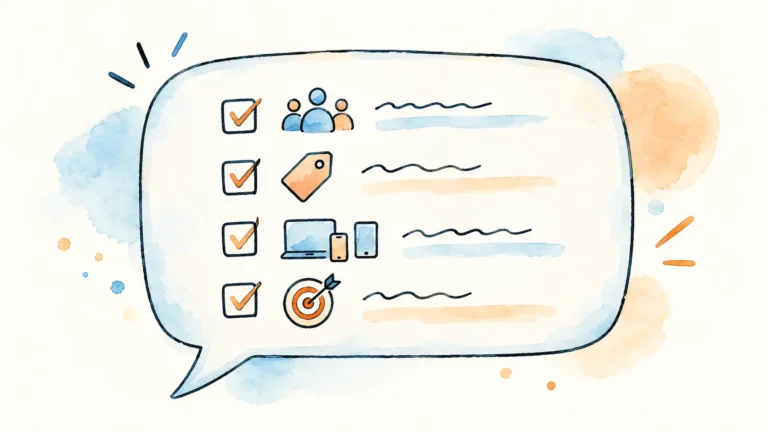
- More places for our product to be seen. A video on our product page reaches shoppers who already found us. A video on YouTube or TikTok can reach people who have never heard of the brand. We want our product in front of as many of the right people as possible.
- Proof that people want to watch you. Follower numbers and engagement on other platforms tell me your content holds attention. That is hard to judge from an Amazon storefront alone.
- Longer life for the content. A good video can keep bringing in viewers on YouTube for months, long after a campaign ends.
So if you have a solid following elsewhere, say so near the start of your first message. It is often what makes a seller reply. I wrote more about this in What Amazon Influencers Should Put in Their First Message to a Seller.
Amazon wants outside traffic, too
Sellers are not the only ones who want shoppers from outside Amazon. Amazon does too. Through its Brand Referral Bonus program, Amazon gives brands a credit, on average around 10% of the sale, when they send shoppers to Amazon from outside sources such as social media. Through Creator Ads, it also puts influencer content into its own ads on social platforms.
This matters more as shopping habits change. More people now start their product research in AI tools instead of on Amazon. In an October 2026 PYMNTS Intelligence survey of shoppers who use AI, about six in ten said they now use AI to research products they used to search for on Amazon, although most still finish the purchase on Amazon. When fewer shoppers begin their search inside Amazon, people who can bring shoppers in from outside become more valuable. That is exactly what an offsite audience does.
Why it is safer for you, too
Amazon commissions are modest, and the rules and rates change. Some influencers report that their onsite earnings dropped sharply after program changes, even though their videos did not change.
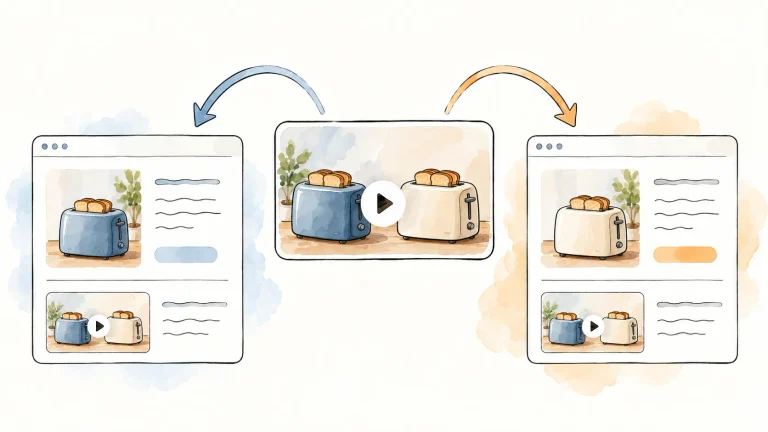
If all your income comes from one program, one change can cut it in half. Posting the same videos on other platforms gives you more ways to earn from the same work:
- Ad revenue, for example through YouTube’s partner program once you qualify.
- Shopping and affiliate features on platforms like YouTube.
- Brand deals, which become easier to land when sellers can see your reach.
One long-time Amazon influencer shared that YouTube now makes up a large share of their income, and that they would have earned far less without it.
Lessons from influencers who do both
Influencers who have been at this for years tend to share a few habits:
- Quality over quantity. Quick, low-effort videos may earn for a while, but better videos tend to replace them over time.
- Skip the long intro. Viewers want their question answered. Show the product’s key features in the first few seconds.
- Teach people how to choose. Comparison videos and buying guides work well, because they help shoppers decide.
- Use real thumbnails. Show that you actually use the product.
Before you post links offsite
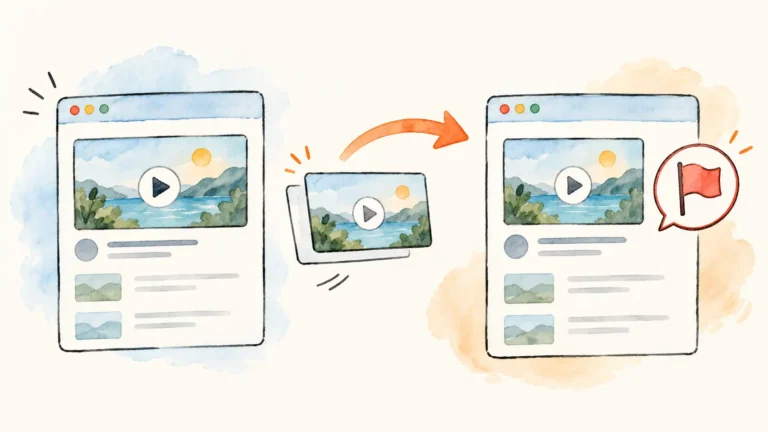
Amazon has rules about where and how you can share your links, and you need to disclose that you earn from them. Check the Amazon Associates Operating Agreement and each platform’s own rules before you start.
Don’t put all your videos in one basket
Onsite videos are a good start, but they should not be your whole plan. The influencers sellers want to work with, and the ones whose income holds up best, are the ones whose content lives in more than one place.