Why Amazon Sellers Want Comparison Videos
Many shoppers on Amazon end up stuck between two brands. They have narrowed it down, read the reviews, and still cannot decide. A good comparison video settles it. That is why, as a seller, comparison videos are the ones I most want Amazon influencers to make. Here is why, how I find influencers for them, and how to make one that works.
Why sellers want comparison videos
1. They help shoppers decide. A shopper torn between two products does not need another single-product review. They need to see both side by side. A clear comparison answers the question they are actually asking: which one should I buy?
2. They let a strong product show where it wins. If a seller is confident their product is better on price, features or quality, a comparison is the most convincing way to show it. A single-product video says “this is good.” A comparison says “this is better than the one you were also looking at.”
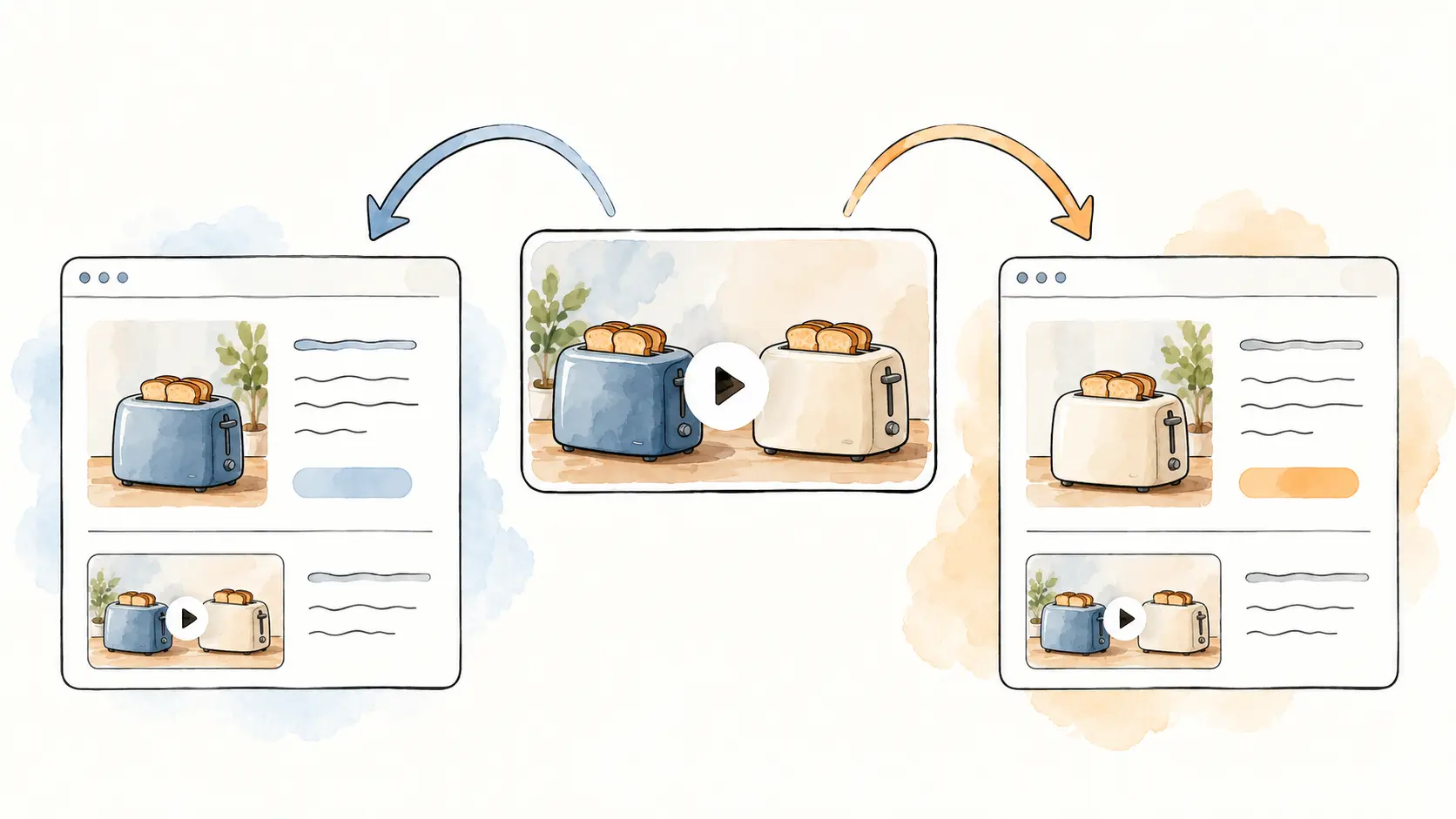
3. They reach shoppers on the other brand’s page. Amazon can show a video on the detail page of each product it clearly features. So a comparison video can appear on the competitor’s page too, in front of shoppers who were about to buy the other brand. For a seller, that is valuable traffic that is hard to get any other way.
Influencers see the benefit as well. One long-time Amazon influencer shared that about half of their best-earning onsite products came from comparison videos.
How I find influencers for comparison videos
When an influencer messages me, I look up their Amazon storefront separately, since I cannot open it from the message panel. If I see they have already reviewed a competing product, I often reply and ask whether they would make a comparison video with ours.
So if you have reviewed a competitor’s product before, that is not a conflict. It is an asset. Mention it in your first message, for example: “I’ve reviewed [competing product] and would love to compare it with yours.” For more on writing that message, see What Amazon Influencers Should Put in Their First Message to a Seller.
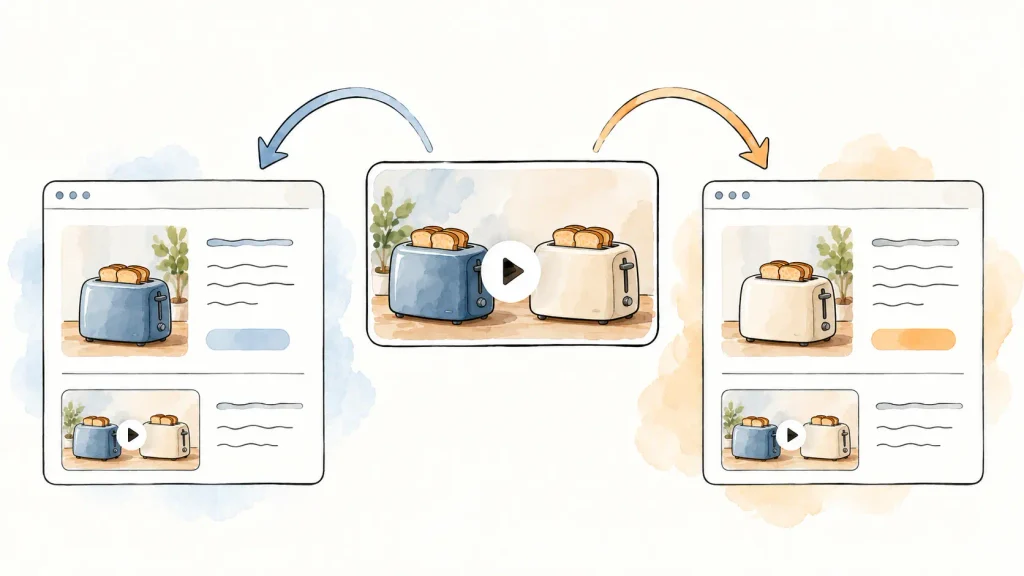
One comparison video can appear on the product page of each product it clearly features.How to make a comparison video that works
A comparison only helps if shoppers trust it, and Amazon has rules about how products are featured.
- Give each product real screen time. Amazon notes that a video reaches a product’s page only if it clearly features that product. Show each one, name it, and talk about it.
- Only tag products you actually show. Amazon rejects videos whose tagged products do not match the content.
- Disclose any brand connection. If a brand gave you the product or paid you, say so clearly in the video, as Amazon’s guidelines require.
- Be fair. Point out what each product does better, including the one that is not sponsored. Shoppers can tell when a comparison is one-sided, and an honest one converts better because people believe it.
- Keep the conclusion yours. A seller can ask for a comparison, but should not tell you what to say about the other product. If a brand wants a video that only attacks a competitor, that is a sign to step back.
Say no to dishonest offers
Some brands go further than asking for a comparison. They offer to pay influencers, then ask them to hide the deal or to present a sponsored video as an independent purchase or an honest test. Creator communities have seen public disputes over exactly this, with influencers sharing brand emails that asked them to leave out sponsorship disclosures.
In the US, this is not a gray area. The FTC’s Endorsement Guides require you to clearly disclose any material connection to a brand, including payment and free products. Its rule on fake reviews and testimonials, in effect since October 2024, lets the FTC seek civil penalties for deceptive review and endorsement practices. The responsibility does not sit only with the brand: influencers are expected to disclose too.
If a brand asks you to:
- hide that you were paid or given the product,
- say you bought it yourself when you did not,
- make claims about their product or a competitor that you have not tested,
say no. No commission is worth your credibility or the legal risk, and a legit brand will not ask. For the details, see the FTC’s Disclosures 101 for Social Media Influencers. This is general information, not legal advice.
Honest comparisons pay off for everyone
Comparison videos help shoppers, help sellers with strong products, and tend to keep earning for influencers. If you already review products in a category, comparing two of them may be one of the best uses of your time.
If you post on YouTube or other platforms too, comparison videos work well there as well. I explain why in Amazon Influencer Onsite vs Offsite. Questions? You can reach me on the Contact page.



3 Comments
Comments are closed.