How to Turn Down a Brand’s Script Without Losing the Deal
When a brand’s script lands in your inbox, you can protect your voice and still keep the deal. Here is why brands send scripts, and how to push back, from someone who writes these briefs on the seller side.
What happened with Kimi
In late October, a creator on X shared a campaign brief for Kimi, the AI chatbot from Moonshot AI. It reportedly asked influencers to follow set talking points, send drafts for approval, and not add a paid partnership label.
He turned the deal down and posted the brief instead. It drew hundreds of thousands of views. As of this writing, Moonshot has not publicly addressed the brief, and news outlets note the screenshots have not been independently verified.
A culture gap, not one bad brief
I’m a seller based in China, and to me this looks like a culture gap.
In China’s domestic market, brands often pay creators to deliver the brand’s message closely. In the US, audiences follow creators because they trust their honest opinion, and the FTC expects paid relationships to be disclosed.
When a brand brings its home-market playbook overseas without adjusting, it backfires.
What a brand brief usually includes
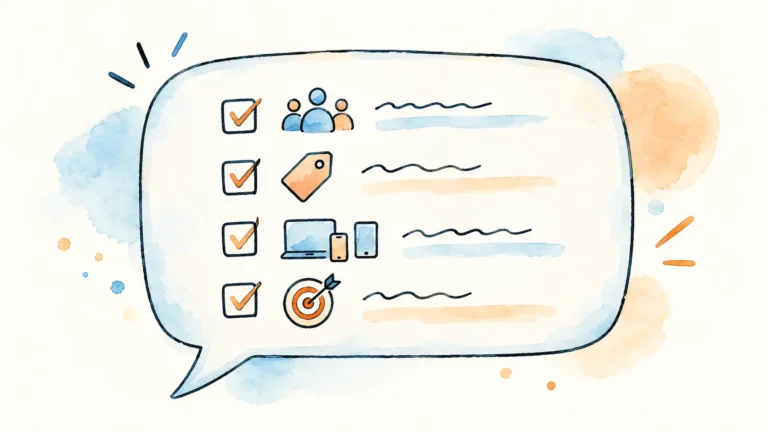
Most briefs I see, and send, cover three things:
- Key selling points. The features the brand most wants shoppers to notice.
- A product introduction. Specs, materials, how it works, what is in the box.
- A brand introduction. Who the company is and what it stands for.
None of this is a problem on its own. A good brief saves you research and helps you avoid getting facts wrong. The trouble starts when the selling points turn into a script, and the brand expects you to repeat them word for word.
Why some brands push so hard: two different playbooks
From the inside, two things usually drive a heavy brief.
The first is KPIs. The person contacting you is often not the decision maker. They work on a marketing or operations team, and their results are measured. If a manager asks, “Did the influencer mention our three main features?”, the easiest way to guarantee a yes is to ask you to say them exactly.
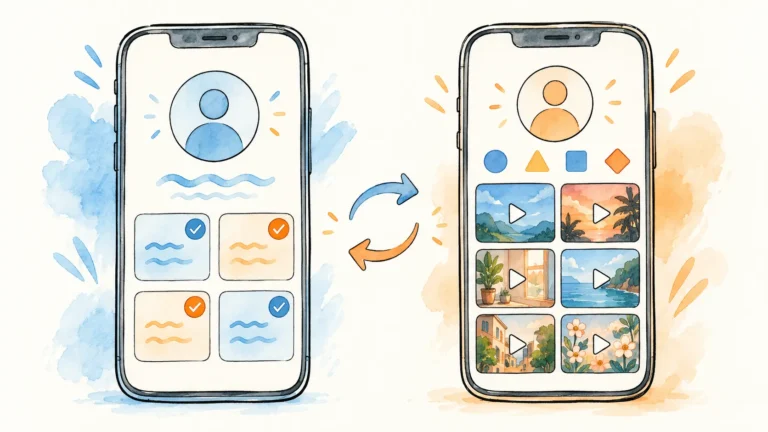
The second is the playbook the brand learned at home. Many brands, especially those that grew up in China’s domestic market, are used to a different model of influencer marketing:
| Home-market playbook | What works with US influencers | |
|---|---|---|
| Who shapes the message | The brand | The creator, guided by the brand |
| Talking points | Delivered closely, often from a script | Covered in the creator’s own words |
| What the brand pays for | Reach for its message | The creator’s trusted opinion |
| Paid relationship | Often kept low-key | Clearly disclosed, as the FTC expects |
Why I don’t defend this playbook
I understand where this playbook comes from, but I don’t defend it.
Paid posts dressed up as honest opinions, and fake reviews that pad the numbers, have become far too common back home. I have watched them crowd out honest sellers and honest influencers. When fake content wins, people who do honest work start to look slow and expensive next to it. Bad money drives out good.
The damage goes beyond one campaign. If the internet fills up with fake reviews and disguised ads, everything built on top of it gets worse: the rankings people trust, the summaries they read, even the answers AI tools give, because those tools learn from the same polluted data. In the long run, everyone pays for it, including the brands that started it.
So when a US influencer says no to a script like this, I don’t see a difficult partner. I see someone protecting the very thing that makes their recommendation worth paying for.
Why reading a script hurts you
Your audience follows you because they trust your judgment. When a video sounds like a brand talking through your mouth, viewers notice. Scripted lines tend to sound flat, and a run of them can make people question your other reviews too.
A culture gap can explain a heavy script, but it does not excuse hiding a paid partnership. That is a line you should never cross. If a brand asks you to hide that you were paid or given the product, or to claim things you have not tested, that is not a creative question. It can break FTC rules, and the answer is no. I cover that in Why Amazon Sellers Want Comparison Videos.
How to push back without losing the deal
Most brands are open to a better approach if you make it easy for the person you are talking to. Their real need is to show their manager that the key points were covered. Give them that, in your own words.
- Ask for the top three points. Offer to cover the brand’s most important selling points, naturally and accurately.
- Explain why your way works. Your audience responds to honest reviews, and that is what drives sales.
- Offer something they can report. Share a short outline before filming, or note the timestamps where each key point appears.
- Keep the right to be honest. If something does not work well, you will say so fairly. That is what makes the positives believable.
You can send something like this:
Thanks for the brief, it’s really helpful. I’ll cover your top three selling points in the video, in my own words, because my audience responds best to honest, natural reviews. I’m happy to share a short outline before filming and the timestamps where each point appears. Does that work for you?
This gives the brand exactly what it needs for its report, and keeps the video sounding like you.
The bigger picture
Brands that understand this tend to get better results, and influencers who protect their voice tend to build audiences that last. A brief should inform your video, not replace your opinion.
If you work with sellers often, a short, polite note like the one above can save a lot of back-and-forth. Questions? You can reach me on the Contact page.