What the PHP Bug Means for Amazon Influencer Sales
This week, two critical security flaws in PHP sent website owners scrambling. Some Amazon influencers report that their sites were taken offline and their sales dropped. If you are wondering whether your own income is at risk, the answer depends on one question: does your Amazon business rely on a website you run yourself?
What happened, in plain terms
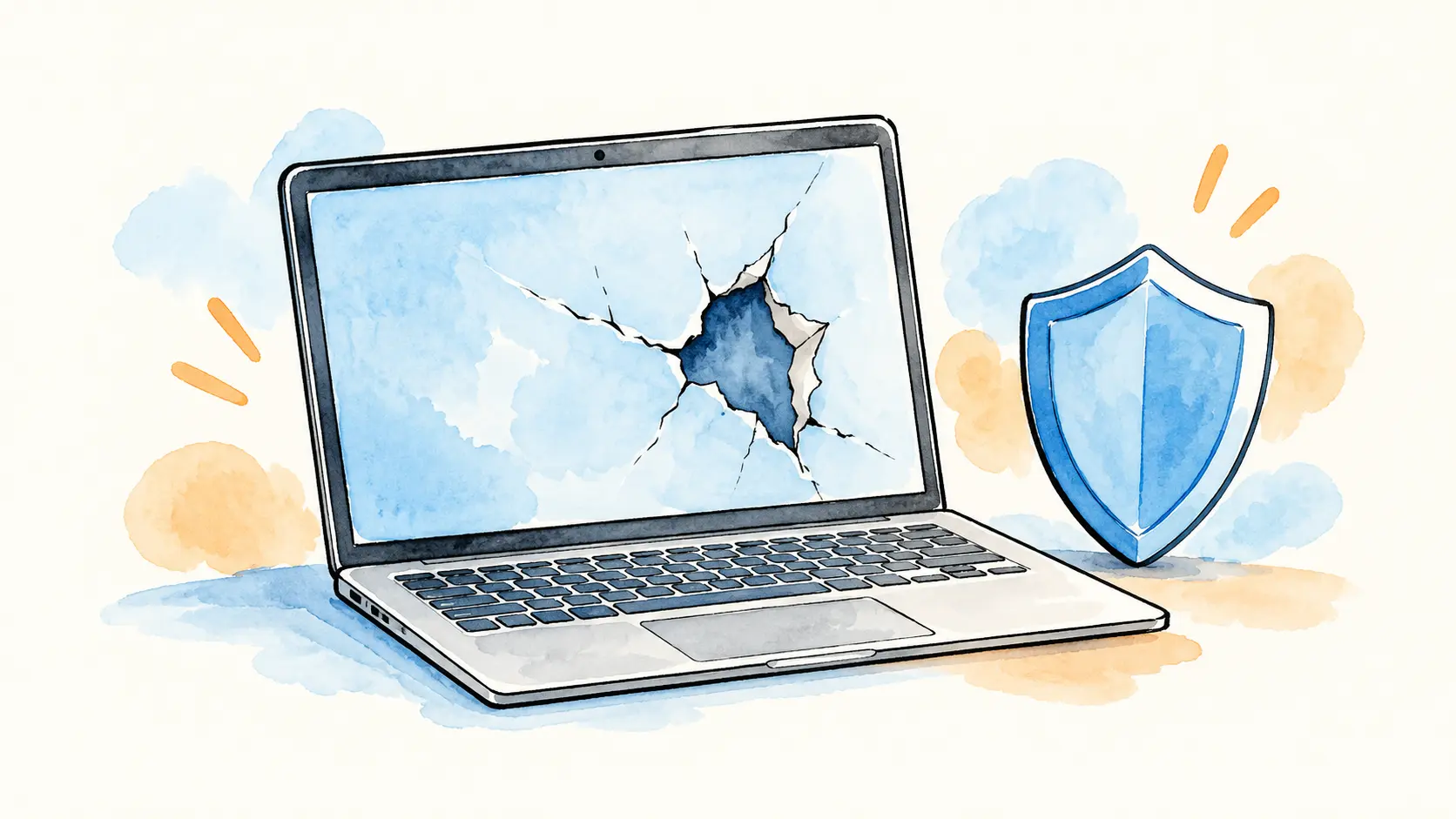
PHP is the software that runs a large share of websites, including almost every WordPress site. On October 21, the PHP team released emergency fixes for two flaws that could let an attacker take over a server without logging in. Researchers showed the attack working on a standard WordPress install.
The key point for site owners: this is not a WordPress bug. Updating WordPress or your plugins will not fix it. Your hosting company has to update PHP on the server.
Who is affected, and who is not
If you only work inside Amazon, with your storefront and the videos on product pages, this bug does not touch your setup directly. Those pages are hosted by Amazon, not on a server you manage.
If you send traffic to Amazon from your own website, you are the one at risk. That includes review blogs with Amazon affiliate links, and link-in-bio pages built on WordPress or another PHP platform.
How the bug can hurt influencer sales
For influencers with their own sites, the impact can show up in four ways:
- Your site goes offline. Some site owners took their sites down until the fix was in, and some hosts did it for them. No traffic means no clicks and no commissions.
- Your site gets hacked. An attacker with control of your server can change your pages, including swapping your affiliate links for theirs or adding spam. Search engines may then flag the site, which can hurt traffic long after the fix.
- Your keys get exposed. Researchers also showed the bug could reveal passwords and API keys stored in server memory. If your site holds keys for Amazon’s API or other tools, treat them as possibly exposed.
- A short dip in search traffic. A brief outage usually recovers quickly. Long downtime, or a hacked site, is what does lasting damage.
What to do if you run your own site
- Ask your host if the fix is installed. The fixed versions are PHP 8.5.12, 8.4.27, 8.3.36 and 8.2.35. If you are on an older version, ask about moving to a supported one.
- Check your affiliate links. Open a few of your most popular posts and make sure the links still point to your own tracking ID.
- Look for anything you did not create, such as new admin users, unknown plugins or pages you do not recognize.
- Change your passwords and regenerate API keys stored on the site, including any Amazon API keys.
- Watch your affiliate reports for a few days. A sudden drop in clicks can be the first sign that something is wrong.
- Skip the quick fixes. A plugin or code snippet from a forum cannot fix a flaw in PHP itself. Only your host’s update can.
What I saw on my own site
This site runs on WordPress, hosted on Hostinger’s shared hosting. On plans like mine, Hostinger manages PHP for customers. It says it blocked the attack attempts at its firewall and rolled out the fixed PHP versions across its servers, so I did not need to do anything except confirm it. If you are on a VPS or manage your own server, the update is your job.
The bigger lesson
If most of your Amazon income runs through one website, that site is a single point of failure. It is worth keeping your storefront and on-Amazon content active too, so one outage does not take your whole business offline.
I am not a security expert. If you think your site was hacked, contact your host or a security professional. Questions? You can reach me on the Contact page.